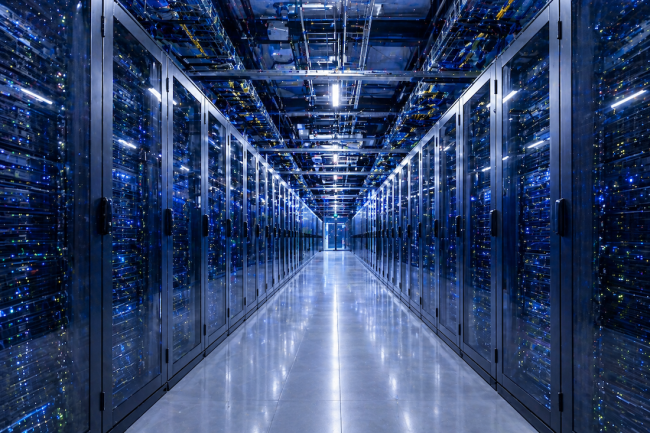
AI Data Centers and the Grid: Where the Research and Practice Gaps Still Are
AI Data Centers and the Grid: Where the Research and Practice Gaps Still Are

AI Data Centers and the Grid: Where the Research and Practice Gaps Still Are

Energy storage systems are increasingly recognized as uniquely flexible grid assets. Technically, they can inject and absorb power rapidly, respond to contingencies, support voltage, reduce overload risk, and help defer or complement conventional wires investments. That broad capability is part of why FERC Order No. 841 [1] required RTOs and ISOs to establish participation models…

The Rise of Distributed Energy Resources Electric power systems (EDS) are changing rapidly. The growth of distributed energy resources (DERs), such as rooftop solar panels, battery storage, and small-scale generators, is transforming the traditional EDS. Consumers are no longer passive users but are becoming prosumers who both consume and produce energy. While this shift introduces new flexibility and innovation to the…

Heatwaves, cold snaps, tornadoes, earthquakes, are you hearing these terms in the news more often, or have personally experienced an impactful weather event? In 2025, Alberta alone faced some serious weather events that disrupted communities, forced evacuations, ravaged infrastructures, and left people without power. The power system is not immune from the threats of extreme…

Quantum computing has been marketed as the next great computational revolution. A technology capable of reshaping materials science, leading to drug discovery, disrupting cryptography, helping in discovering new batteries, climate mitigation strategies, optimizing global energy systems [1-6], or supposedly cracking optimization problems that have resisted decades of classical computing, if you believe the brochures. Quantum…
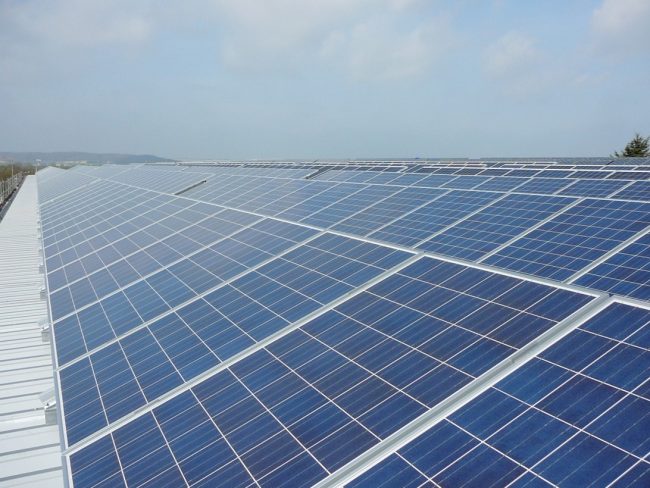
Wildfire smoke is no longer just an air-quality concern; it’s becoming a real operational factor for modern electric grids. As photovoltaic (PV) systems continue to integrate into distribution networks, feeder performance becomes increasingly dependent on weather and environmental conditions. Under clear skies, PV panels inject substantial power into the grid and reshape how voltages behave…

The Optimal Power Flow (OPF), as an optimization problem, is indispensable for the economic and secure operation of power distribution networks. The OPF is crucial for achieving a multitude of operational objectives including: Solution techniques for the OPF problem have traditionally gravitated around classical deterministic and stochastic mathematical programming methods. These methods allow practitioners to…

Across the energy sector, storage has long been recognized as a cornerstone of grid reliability and renewable integration. Yet, the conversation about its environmental role often overlooks how they can actively contribute to carbon reduction. Our recent research, accepted for presentation at the Hawaii International Conference on System Sciences (HICSS) 2026, introduces a framework for…
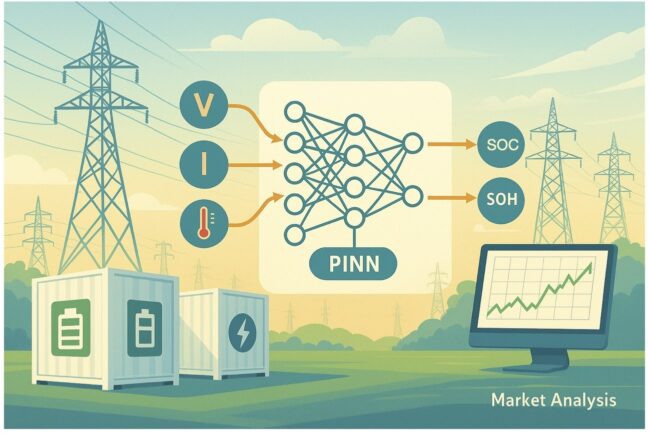
A Physics-Informed Neural Network (PINN) is a machine learning architecture designed to solve scientific problems by harmonizing data with physical laws. Its core innovation lies in training a neural network not only to fit observed data but also to adhere to known governing equations, typically ordinary or partial differential equations. This is achieved by incorporating…
Competitive electricity markets are inherently complex. They require the integration of technically feasible operations, grounded in physical laws, with economically viable solutions that incentivize investments. These interactions aim to ensure a reliable, efficient, and technologically flexible market design. However, the operation of these markets is neither trivial nor perfect. Over time, they are exposed to…