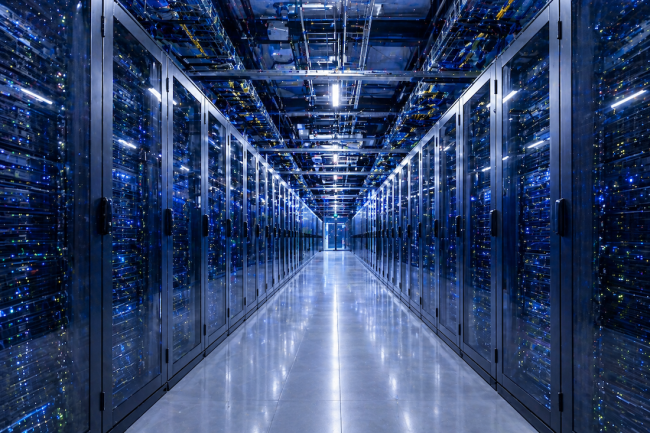
AI Data Centers and the Grid: Where the Research and Practice Gaps Still Are
AI Data Centers and the Grid: Where the Research and Practice Gaps Still Are

AI Data Centers and the Grid: Where the Research and Practice Gaps Still Are

Energy storage systems are increasingly recognized as uniquely flexible grid assets. Technically, they can inject and absorb power rapidly, respond to contingencies, support voltage, reduce overload risk, and help defer or complement conventional wires investments. That broad capability is part of why FERC Order No. 841 [1] required RTOs and ISOs to establish participation models…

The Rise of Distributed Energy Resources Electric power systems (EDS) are changing rapidly. The growth of distributed energy resources (DERs), such as rooftop solar panels, battery storage, and small-scale generators, is transforming the traditional EDS. Consumers are no longer passive users but are becoming prosumers who both consume and produce energy. While this shift introduces new flexibility and innovation to the…

Heatwaves, cold snaps, tornadoes, earthquakes, are you hearing these terms in the news more often, or have personally experienced an impactful weather event? In 2025, Alberta alone faced some serious weather events that disrupted communities, forced evacuations, ravaged infrastructures, and left people without power. The power system is not immune from the threats of extreme…

Quantum computing has been marketed as the next great computational revolution. A technology capable of reshaping materials science, leading to drug discovery, disrupting cryptography, helping in discovering new batteries, climate mitigation strategies, optimizing global energy systems [1-6], or supposedly cracking optimization problems that have resisted decades of classical computing, if you believe the brochures. Quantum…